
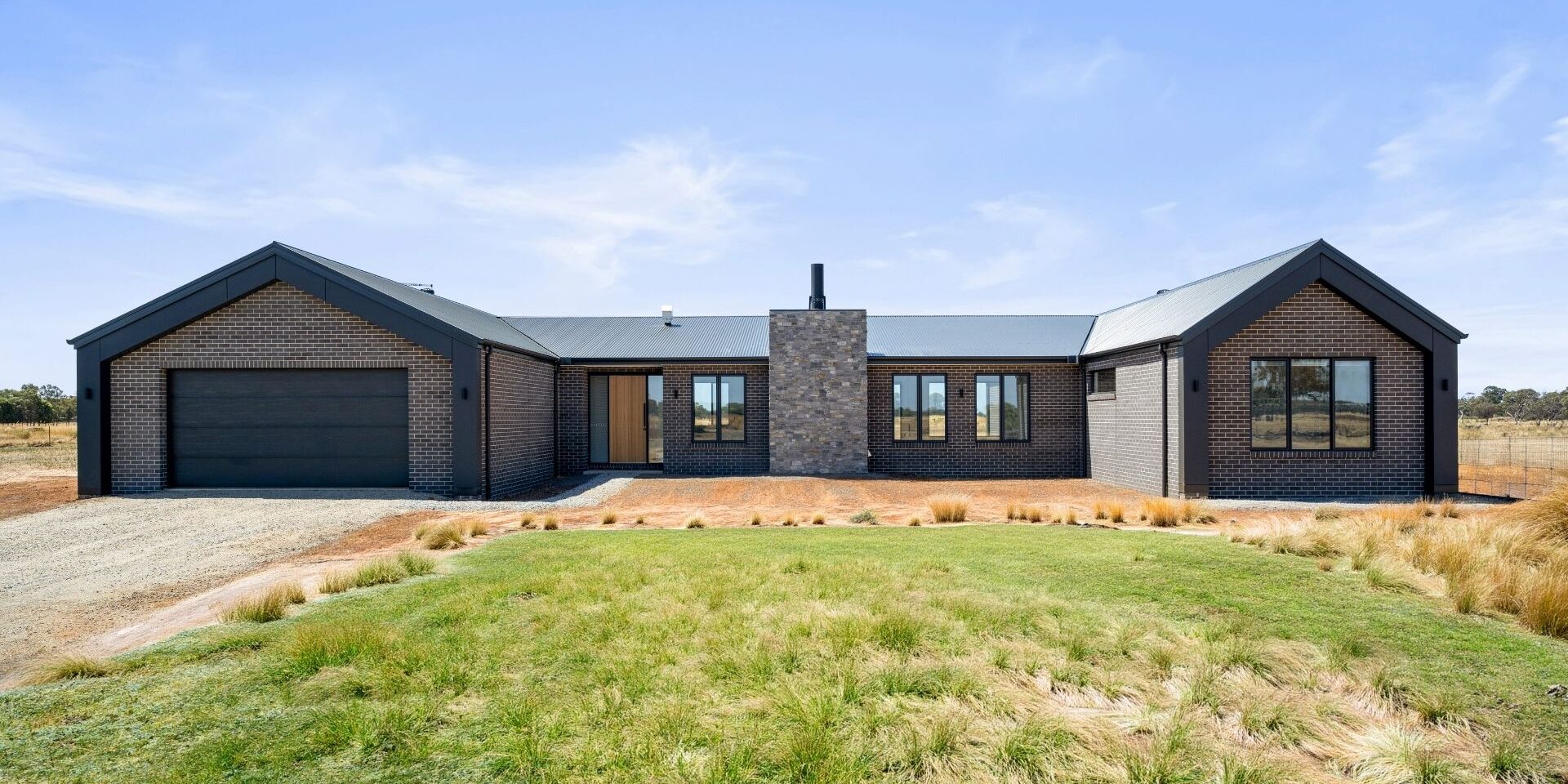

Acreage Style Home vs Farmland Build: What’s the Difference?
When planning your dream home, one of the biggest decisions you’ll make is where and how you build. While many clients love the look and feel of wide, open living, there’s often confusion between an acreage style home vs farmland build and they are not the same thing.
Understanding the differences early can save you time, money, and stress, while ensuring your home truly suits your lifestyle.
What Is an Acreage Style Home on a Residential Block?
An acreage-style home is designed to look and feel like it belongs on a large rural property, but is actually built on a standard residential / lifestyle block.
These homes are popular across regional areas like the Goulburn Valley, where clients want that spacious, country-inspired aesthetic without leaving town.
Key Features:
- Wide façades and sprawling layouts
- Open-plan living areas
- Alfresco spaces and indoor-outdoor flow
- Larger rooms and higher ceilings
- Hamptons, farmhouse, or modern rural designs
However, while the design mimics rural living, you’re still working within:
- Standard block sizes
- Estate guidelines or council restrictions
- Close neighbours and suburban infrastructure
Best For:
- Families wanting space without full rural upkeep
- Clients building in estates or town outskirts
- Those prioritising design over land size
What Is a Newly Built Home on Farmland?
A farmland build is exactly what it sounds like, constructing your home on a large rural property or working farm.
This is where the acreage style home vs farmland build comparison becomes more significant, because farmland builds involve entirely different considerations beyond just design.
Key Features & Additional Council Approvals You May Need:
Depending on your land and local council regulations in Victoria, farmland builds may require:
- Planning Permits – Especially if the land is zoned Farming (FZ) or Rural Living (RLZ)
- Dwelling Entitlement Approval – Not all farmland automatically allows a house to be built
- Bushfire Management Overlay (BMO) – May require a Bushfire Management Statement and specific construction standards
- Flood or Environmental Overlays – Additional reports or design considerations
- Access Permits – For new crossovers or road access to the property
- Septic System Approval – If not connected to sewer
- Water Authority Approval – For tanks, bores, or connections
- Power Authority Approval – Especially if power needs to be brought in over long distances
:Recommended (external) Link:
This is the most relevant and trusted source for zoning, overlays, and planning permits in Victoria: Victorian Planning Authority
Explains Farming Zone (FZ), Rural Living Zone (RLZ), and dwelling entitlements, perfect for farmland builds: Rural Zone & Farming Zone Info
Why This Matters
These approvals can:
- Add time to your project (weeks or even months)
- Increase upfront costs (reports, consultants, applications)
- Influence your home design and placement
What We Always Tell Clients
Before purchasing farmland (or committing to a build) it’s critical to understand:
- Whether the land is actually buildable
- What overlays or restrictions apply
- The true cost of getting the site ready
This is where working with an experienced builder makes all the difference. At Diverse Builders, we help guide you through these early steps so there are no surprises later.
The Key Differences You Need to Know
1. Land Size & Space
The most obvious difference in an acreage style home vs farmland build is land size.
- Residential Acreage Style: Typically 600–2,000m²
- Farmland Build: Can range from 1 acre to 100+ acres
This impacts everything, from design freedom to maintenance and cost.
2. Design Freedom
With a residential block, your design may be influenced by:
- Estate design guidelines
- Setbacks and boundary restrictions
- Overlooking and neighbourhood considerations
On farmland, you have far greater flexibility:
- Position your home for views, sun, and wind
- Expand footprint without tight constraints
- Add outbuildings like sheds or workshops
3. Infrastructure & Services
This is one of the biggest & often underestimated differences.
Residential Block:
- Connected to town water, sewer, power, NBN
- Minimal site preparation required
Farmland Build:
- May require septic systems
- Tank water or bore water
- Power connection over long distances
- Driveway and access road construction
These additional requirements can significantly impact your budget.
4. Costs Beyond the Build
While an acreage-style home can be more expensive due to size, farmland builds often carry hidden costs.
Acreage Style Home:
- Higher build cost per home due to size and finishes
- Lower site and service costs
Farmland Build:
- Site works (earthworks, levelling)
- Utility connections
- Fencing, access, drainage
👉 A helpful resource on rural building considerations can be found here:
External Link Suggestion: https://www.planning.vic.gov.au (Victorian Planning Authority)
5. Lifestyle Differences
Choosing between an acreage style home vs farmland build ultimately comes down to lifestyle.
Residential Acreage Style Living:
- Close to schools, shops, and amenities
- Less maintenance
- Community environment
Farmland Living:
- Complete privacy and space
- Ideal for hobby farming or business use
- Greater responsibility for upkeep
6. Build Timeline
Farmland builds often take longer due to:
- Permits and approvals
- Service installation
- Site preparation
Whereas residential builds are typically more streamlined due to established infrastructure.
7. Resale & Investment
Both options can be strong investments but appeal to different buyers.
- Acreage Style Homes: Broader market appeal
- Farmland Homes: Niche buyers seeking rural lifestyle
Which Option Is Right for You?
If you’re deciding between an acreage style home vs farmland build, ask yourself:
- Do you want space without the maintenance?
- Or are you ready for a full rural lifestyle?
- Is convenience or privacy more important?
- What’s your budget for site costs and infrastructure?
There’s no one-size-fits-all answer only what suits your long-term goals.
How Diverse Builders Can Help
At Diverse Builders, we guide clients through both types of builds, helping you understand the real differences before you commit.
From tailored designs for residential blocks to full rural project planning, we ensure:
- Transparent costs
- Clear timelines
- Designs that match your land and lifestyle
👉 Internal Link Suggestion:
Check out our process here: Our Custom Home Building Process
Final Thoughts
The difference between an acreage style home vs farmland build goes far beyond appearances. While both offer space and lifestyle appeal, the journey, costs, and day-to-day living experience can be completely different.
By understanding these differences early, you can make a confident, informed decision & build a home that truly works for you.
Ready to Start Your Build?
If you’re considering building in the Goulburn Valley or regional Victoria, our team is here to help you every step of the way.
📞 Get in touch today to discuss your vision.
👉 And for more tips, inspiration, and real client builds:
Follow us on Instagram and Facebook to stay up to date with everything Diverse Builders.
