
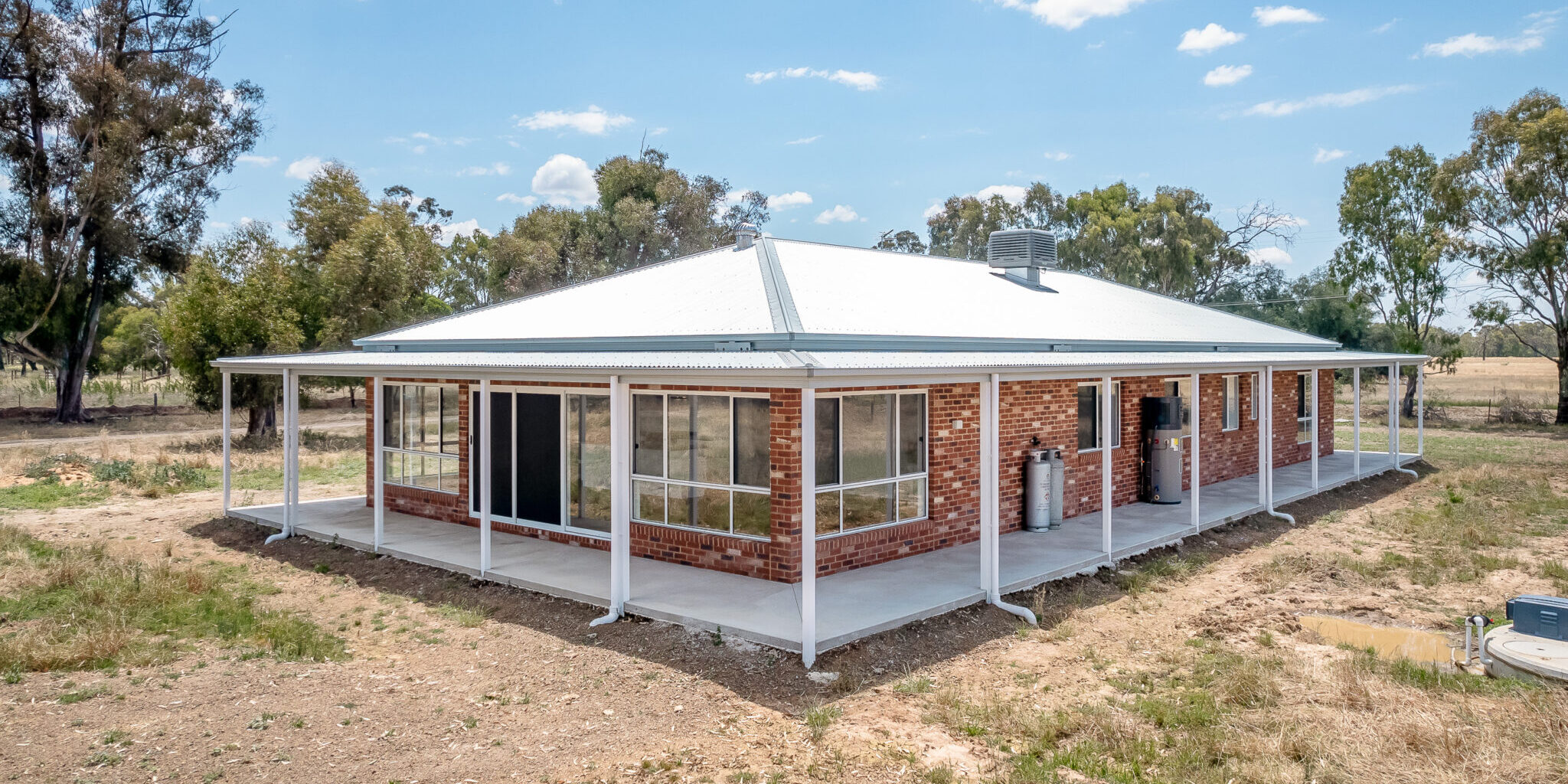

True cost of custom homes is one of the most misunderstood topics in residential building. Many people assume custom automatically means “too expensive,” while others expect full flexibility without budget impact. The reality sits somewhere in the middle and understanding the numbers early changes everything. Custom homes are not just priced by square metre rates alone. They are priced by decisions. Every layout choice, inclusion, finish, and engineering requirement contributes to the final figure.
Let’s break it down clearly.
What “Custom” Really Means for Pricing
The true cost of custom homes starts with design freedom.
Unlike volume builds, custom projects are not spread across thousands of repeated builds. That means less bulk purchasing efficiency and more individual detailing. But it also means your home fits your lifestyle . It’s not a template.
Custom pricing reflects:
• Unique floorplans
• Site-specific engineering
• Tailored selections
• Personalised inclusions
• Higher detail levels
You are paying for precision, not just materials.
Base Build Cost vs Final Build Cost
This is where confusion often happens.
Base estimates rarely equal final contract cost. The true cost of custom homes includes multiple layers beyond the initial structure price.
Typical cost layers include:
• Design & drafting
• Engineering reports
• Site costs & soil classification
• Energy rating compliance
• Permit fees
• Upgraded materials
• Joinery & cabinetry detail
• Flooring & tiling selections
• Fixtures & fittings
• Landscaping allowances
None of these are “hidden” but they are often underestimated.
Site Conditions Change Everything
No two blocks build the same.
Slope, soil type, access limitations, and service connections can significantly affect the true cost of custom homes. A flat, clean site costs less to build on than a sloping or reactive soil block.
Examples of site-driven costs:
• Piering requirements
• Retaining walls
• Cut & fill works
• Drainage upgrades
• Bushfire or flood overlays
This is why site assessments matter early.
Selections & Finishes Drive Budget Movement
Selections are the fastest way budgets move up or down.
Two kitchens can be identical in layout but vary tens of thousands in cost depending on joinery finish, hardware, benchtop material, and appliance choices.
The true cost of custom homes often shifts most during the selections stage.
High-impact categories include:
• Kitchens
• Bathrooms
• Flooring
• Windows & glazing
• Facade materials
• Feature ceilings
• Storage fit-outs
This is not about “luxury vs basic.” It’s about specification level.
Where Custom Homes Can Save Money
Custom does not always mean higher spend.
Smart design can reduce wasted space and improve build efficiency. A well-designed custom home often eliminates unused rooms, awkward hallways, and oversized areas that add cost without value.
Savings can come from:
• Efficient floorplan design
• Passive solar orientation
• Material standardisation
• Structural simplification
• Multi-use spaces
Design intelligence matters more than size alone.
Long-Term Value vs Upfront Cost
The true cost of custom homes should be viewed over decades not just contract price. Better orientation lowers energy bills. Higher insulation improves comfort. Smarter layouts reduce renovation needs later. Durable materials lower maintenance costs. Short-term savings sometimes create long-term expenses. Custom homes often perform better over time when designed well.
For up-to-date building efficiency standards and cost guidance, external resources like the Australian Government building and energy guides are useful references. Hit this link to see more
How to Get Accurate Numbers Early
Clarity comes from detail not rough allowances.
To understand the true cost of custom homes early, you need:
• Concept plans
• Inclusion schedules
• Soil tests
• Preliminary engineering
• Transparent builder allowances
Rough square metre estimates are only starting points.
Detailed documentation creates reliable pricing.
Why Builder Collaboration Matters
Working closely with your builder during design prevents budget shock later.
Design-and-construct models especially help align plans with real construction costs from the start. Builders can flag cost drivers before they become expensive changes.
Follow for Current Ideas & Up-to-Date Inspiration
For current custom home ideas, finishes, layouts, and build insights, follow ongoing project updates and design inspiration:
Building trends, material options, and compliance standards evolve, staying informed leads to smarter decisions.
